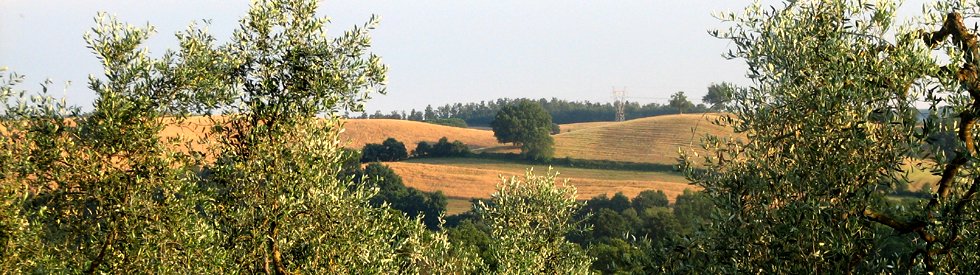
Tuscan Maremma: Olive Growing and Quality Olive Oil
The cultivation of olive trees has very ancient origins: it seems that olives were already being cultivated 8000 years ago in the Middle East. The Phoenicians and the Greeks both contributed to the diffusion of the practice of olive growing, but it was without a doubt the Romans who were its biggest proponents. They introduced olives throughout their territory wherever the climate would permit.
Olive oil had an immense value for the Romans. They perfected the techniques of pressing and conserving the oil which remained unchanged for centuries, and even accepted oil as a means of paying taxes.
Depending on the moment in which the olives were harvested, the oil produced was classified as being “oleum ex albis ulivis“, “oleum viride“, “oleum maturum” and “oleum caducum“. The latter, produced from the worst olives, often already rotting, was given to the slaves.
Oil was not only a precious food item, but also an effective beauty product.
Olive oil, as well as olives themselves, have remained a central part of the Mediterranean diet.
Tuscany is one of the major producers of olive oil. Civitella Marittima has a long tradition of olive growing. The older generations can still remember when there were five olive presses in the village and all of the inhabitants of the surrounding area would bring their olives to be pressed. At that time, without the help of machines, the olive harvest could last for several months, as it did during the time of the Romans. This was the main factor in the production of oil of varying quality.
Today, the cultivation of the olive trees is still carried out in the traditional method, but the harvest and pressing of the olives is facilitated by modern equipment that nonetheless manages to preserve the quality of the olive oil.
There are many different types of olives, known as “cultivar“, over 700 different species to be precise. Distinguishing between the various species is very difficult and is done by examining the olives, the seeds and the flowers of the tree.
Olives are harvested in the month of November. In small centres such as Civitella, the harvest is an important social event. Families get together to pick the olives. The eat together either at home or in the fields and then bring the olives to the “oliviera“. The real treat, however, comes as soon as they can toast a piece of bread, garnish it with a bit of garlic, and drizzle the freshly pressed oil over it: the best “bruschetta” of the year, especially if you had a hand in making it. If you are interested in participating in the olive harvest, keep an eye on our special offers page!
In the links page there is a section dedicated to olive oil, olive groves, olive harvest and olive oil tasting.
The Olive Oil Festival
Every year, the village celebrates the olive harvest with its Festa del Buco Unto, the local olive oil festival. The festival usually lasts a weekend (Saturday and Sunday) and gives visitors the opportunity to taste the local product, eat good food in the main square and have fun. Visits to the olive press and olive groves can be arranged. Please see our section on the olive oil tour. This year the festival is going to be on November 9 and 10, 2013. Take advantage of our special offer dedicated to the olive harvest in Tuscany.